

Klere have been working with Shropshire Council since March 2024. We facilitated the creation of Biodynamic Carbon Ltd., a joint venture enabling Shropshire Council to enter UK markets for energy, biochar and carbon credits
Profitable Returns: Significant annual revenue expected from biochar and carbon credit sales, with full investment recovery in just five years.
Carbon Impact: Over 1,600 tonnes of CO₂ sequestered annually, accelerating progress toward Shropshire Council’s 2030 Net Zero goals.
Energy: 1 MW of continuous thermal heat energy produced.
Boosting Local Economy: New jobs created with additional economic benefits for the community on the horizon.
Smart Risk Management: A low-risk pathway for the Council to gain insights into emerging biochar and carbon credit markets.
Energy Biochar & Carbon Capture

Click to hear all about it..
Creating a Joint Venture
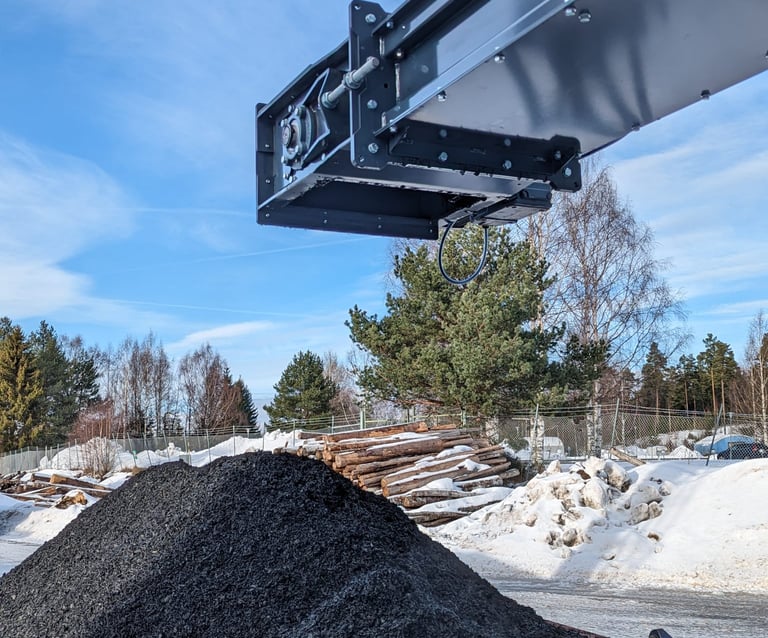
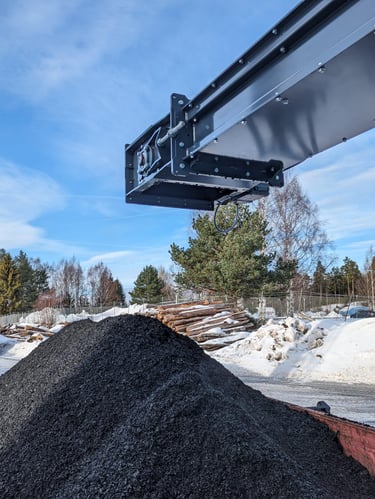
Pioneering Project: Klere is working with Shropshire, managing delivery of the UK’s first fully council-owned pyrolysis plant in Ludlow.
Impressive Output: Set to produce over 2 tonnes of biochar daily and 1 MW thermal power - enough to heat over 400 typical UK homes.
Carbon Reduction Leadership: A bold step forward in Shropshire Council’s Net Zero strategy. Capturing around 1600 tonnes of CO2.
Financially Sustainable: Combines environmental impact with economic viability, earning revenue while reducing waste processing costs.
Repurposed disused AD site- the Biochar plant brings new life and development to the area.
The plant will be set up and operational by Spring 2026.
Delivering Local Authority
Energy Biochar & Carbon Capture
Energy + Biochar + Carbon Capture (EBACC)
Biochar is a proven, scalable solution with multiple commercial applications. Originally used to improve soil health and store carbon long-term, it is also used to filter water run-off, enhance construction materials, improve health in livestock and improve efficiency in anaerobic digestion plants. It is even used in mining remediation for land and water improvements.
Biochar is produced via pyrolysis, a carbon-negative process with ultra-low emissions, continuously monitored for compliance and performance.
Each unit generates up to 1 MW of continuous on-site thermal energy, providing low cost heat for nearby buildings; reducing operating costs and emissions.
1 MW continuous thermal power + 800 tonnes biochar + 1600 tonnes carbon captured
(annum per machine)
What is EBACC?


EBACC Framework: Klere has partnered with Shropshire Council to create a step-by-step framework for Local Authorities to adopt Energy Biochar & Carbon Capture plants.
Klere has supported implementation of 2 plants for Shropshire and completed 3 feasibility studies for Walsall, Calderdale and Durham Councils with more on the go with Midlands Net Zero Hub.
From Feasibility to Operation: Building on the ground-breaking work undertaken with Shropshire - the framework covers all key steps, from feedstock, planning, site selection to communications, Klere and partners can support you through the whole journey.
Cost and Time Savings: Streamlines processes to accelerate delivery.
What we can do for you...
Energy Biochar & Carbon Capture Project Delivery
"Ultimately, it was critical to have a good business case to back the investment into Biochar production. Communication was excellent and collaborative, working alongside a team who understood Council protocol made it easier."
Stephen McDonald, Energy & Sustainability Manager, Durham County Council



Biochar Partners:
Klere Limited
Nature data and carbon capture.
enquiries@klere.uk
Tel: 0203 583 1263
© 2024. All rights reserved.